Skip permit rules for rubbish in Chiswick Hounslow Council: a practical local guide
If you are planning a clear-out in Chiswick, the skip is often the easy part. The permit is the bit people forget until the driveway is full, the builders are on site, or a neighbour has already asked, quite reasonably, where the skip is going to sit. Skip permit rules for rubbish in Chiswick Hounslow Council can feel fiddly at first, but once you understand the basics, the whole process becomes much calmer. In this guide, we will walk through how permits usually work, why they matter, who needs one, and how to avoid the common mistakes that cause delays.
Truth be told, rubbish removal is rarely just about rubbish. It is about access, timing, safety, neighbours, and not making a simple job into a small administrative headache. Let's make it straightforward.
- Why skip permit rules matter
- How the permit process works
- Benefits of getting it right
- Who needs a permit and when
- Step-by-step guidance
- Expert tips
- Common mistakes to avoid
- Tools, resources and recommendations
- Law, compliance and best practice
- Options and comparison table
- Real-world example
- Practical checklist
- Conclusion
- Frequently asked questions
Why Skip permit rules for rubbish in Chiswick Hounslow Council Matters
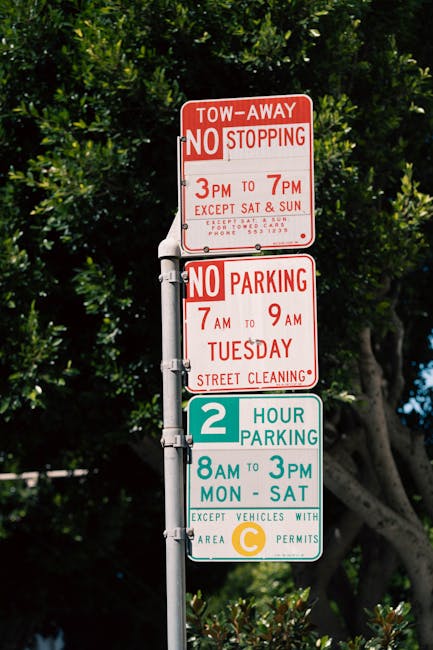
If a skip is kept entirely on private land, such as a driveway or forecourt, you may not need a permit. But if it has to sit on a public road, permit rules come into play. That matters because Chiswick streets can be tight, busy, and lined with parked cars. The moment a skip touches the highway, the situation becomes less about convenience and more about managing public space responsibly.
A permit helps the council control where skips go, how long they stay there, and whether they pose any risk to traffic or pedestrians. That is the simple version. The practical version is this: without the right permission, you may face delays, extra charges, or the unpleasant discovery that your skip cannot be delivered when you expected. Nobody wants a heap of plasterboard and broken shelving sitting on the kerb while the rest of the job is waiting upstairs.
For householders, landlords, tradespeople and local businesses, getting the rules right early saves time and stress. It also helps keep the street clear, which is especially important in a place like Chiswick where delivery vans, cyclists, school traffic and commuters all seem to arrive at once.
Expert summary: If the skip is going on the road, check the permit position before booking. If it can go on private land, you may avoid the permit altogether. The location decides the admin, not the size of the tidy-up.
How Skip permit rules for rubbish in Chiswick Hounslow Council Works
The basic process is fairly direct. A skip hire company usually handles the permit application if the skip needs to be placed on a public highway. That does not mean you can ignore the details. In practice, you still need to confirm the skip size, placement, dates, and whether any extra traffic management or signage is needed.
Here is the typical flow:
- You decide whether the skip will go on private property or the public road.
- If it is on the road, you arrange a permit before delivery.
- The skip is positioned in the approved spot and must usually be made visible and safe.
- You keep it for the agreed period and avoid overfilling it.
- When the job is done, the skip is collected and the waste is taken away.
That sounds simple, and most of the time it is. But the details matter. A skip that blocks a dropped kerb, covers a driveway entrance, or sits too close to junction visibility lines can cause problems. Councils are generally more concerned with safety and access than with the contents of the skip itself, though rubbish type still matters for disposal rules.
If you are working on a broader clearance, it can also help to think about the waste stream. For example, a domestic attic clear-out may be better suited to a full loft clearance, while a heavier job with mixed debris may need dedicated builders waste clearance or wider waste removal. The right method often depends on access, not just volume.
And yes, the actual permit rules can vary by council practice and street conditions. So if you are unsure, it is best to check before the skip arrives rather than after the street looks like a small construction zone. Been there, regretted that.
Key Benefits and Practical Advantages
Getting the permit side right is not just about obeying a rule. It gives you a smoother project and fewer surprises. That may sound boring, but in real life it is a huge win.
- No delivery delays: the skip can arrive when the rest of the work is ready.
- Less risk of penalties or refusal: if a permit is needed, having it sorted avoids awkward last-minute issues.
- Better site safety: approved placement reduces the chance of obstruction or complaints.
- Cleaner scheduling: trades, removals and clear-outs all run more smoothly when access is planned.
- Less neighbour friction: people are much more patient when a skip is properly placed and clearly temporary.
There is also a commercial benefit if you are a landlord, builder, or office manager. A tidy, permitted skip arrangement looks organised. It signals that the job is being handled properly, which is always helpful when you are juggling neighbours, tenants or clients.
If you are comparing clearance methods, it is worth considering whether a skip is actually the best fit. For example, a garage stuffed with old tools, boxes and broken garden bits may be quicker to empty with a garage clearance or garden clearance rather than having a skip sit outside for days. Sometimes the better solution is the one that uses less space and less paperwork. Simple, really.
Who This Is For and When It Makes Sense
This topic matters for a surprisingly wide range of people. If you live or work in Chiswick and need to clear rubbish, you may need to think about skip permits sooner than you expect.
Homeowners and tenants
If you are clearing a house, flat, loft or garage, a skip can be useful for bulky mixed waste. It is especially handy during a refurbishment, a move, or a big declutter when the pile grows faster than your motivation.
Landlords and letting agents
Void properties and post-tenancy clear-outs often produce a mix of furniture, bagged rubbish and odd leftovers. In some cases, a flat clearance or home clearance is more practical than hiring a skip, particularly where parking is limited.
Tradespeople and builders
Renovation work, strip-outs and small construction jobs generate waste quickly. If the skip has to go on the road, permit rules become part of the job plan, not an afterthought. That is especially true on narrow residential streets where access is tight and everyone is trying to get somewhere by 8.30 in the morning.
Businesses and offices
Commercial clearances often involve packaging, desks, old files, shelving or mixed junk from an office reconfiguration. In those cases, a dedicated office clearance or business waste removal service may be cleaner and quicker than managing skip logistics yourself.
If your rubbish is mostly bulky household items rather than general construction waste, a skip may not be the most efficient route anyway. A collection-based service can save time, reduce manual handling, and avoid the headache of finding enough kerb space for a container the size of a small van.
Step-by-Step Guidance
If you want to handle this properly, follow a sensible sequence. No drama, just a bit of planning.
- Check where the skip will sit. Private land is simpler. Public highway use usually needs permission.
- Confirm the waste type. Mixed household rubbish, garden waste, soil, rubble and timber all behave differently in terms of loading and disposal.
- Choose the right skip size. Too small and you need a second one. Too big and you may be paying for space you never use.
- Ask who applies for the permit. In most cases, the skip provider deals with the application, but do not assume. Ask it directly.
- Allow time for approval. Last-minute bookings can be awkward, especially if the street is busy or access is restricted.
- Check placement rules. The skip should not block drives, crossings, or essential visibility lines.
- Load it correctly. Do not overfill. Heavy materials should be spread out, and dangerous items should be kept out.
- Arrange collection promptly. Once the job is done, do not leave the skip sitting around longer than needed.
A good habit is to photograph the intended location before booking. You would be surprised how often a "yes, it will fit" turns into "well, maybe not with that parked car and those bins." A quick look at the space often solves a lot before anyone lifts a finger.
Expert Tips for Better Results
Here are the small things that make a big difference. The details are where the smooth jobs are won.
- Book around access patterns. Avoid busy school runs, bin days or times when the street is packed with parked cars.
- Separate reusable items early. Furniture, fixtures and decent household items may be better handled through furniture disposal or furniture clearance rather than thrown into mixed waste.
- Keep the load sensible. A skip packed badly is a headache to collect and can waste valuable space.
- Think about weather. A rainy week can make waste heavier, messier and harder to manage.
- Plan for one extra run if needed. It is often cheaper to think ahead than to rush later.
One small but useful tip: if your rubbish is mostly light but bulky, you might not need a skip at all. A lot of people default to a skip because it is familiar. Fair enough. But not every job needs one. Sometimes a tailored clearance is neater, faster, and easier on the street.
Another thing people overlook is household and trade mix. If your job includes waste from a refurbishment, then a builders waste clearance approach may be more efficient than combining everything into one oversized skip. That is not glamorous advice, but it saves real time.
Common Mistakes to Avoid
Most problems come from a handful of predictable mistakes. Once you know them, they are easy enough to dodge.
- Assuming the permit is automatic. It is not. If the skip goes on the road, check first.
- Leaving permit handling too late. A same-day skip request is often optimistic.
- Guessing the skip size. Guessing is expensive. Measure the space and the waste.
- Blocking access or visibility. Even a well-placed skip can cause issues if it narrows a turning point or obscures sight lines.
- Mixing restricted items with general rubbish. Hazardous or specialist waste needs separate handling.
- Overfilling the skip. It is a common habit and a common problem.
There is also a softer mistake: not choosing the right service in the first place. For instance, a domestic clear-out might be easier through a full house clearance rather than placing a skip outside and sorting every item yourself. If your aim is a clean finish rather than a bin-shaped project, that distinction matters.
And let's be honest, nobody wants to spend half a day rearranging old chairs and broken wardrobe panels because the skip is already brimful. That is the sort of job that makes you stare into the middle distance for a minute.
Tools, Resources and Recommendations
You do not need a complicated toolkit for this. What helps most is preparation, a bit of measurement, and the right service choice.
- Measuring tape: for checking available space on a driveway or frontage.
- Camera or phone photos: useful for showing access points and potential obstructions.
- Simple waste list: write down the main categories, such as furniture, soil, rubble, cardboard, or general junk.
- Booking notes: keep dates, access instructions, and collection details in one place.
- Provider information: review practical pages like pricing and quotes, recycling and sustainability, and insurance and safety so you know what to expect before work starts.
If you are not sure whether a skip is the right approach, compare it against a direct collection service. In many real cases, especially small-to-medium home clear-outs, a scheduled collection is less disruptive than leaving a container outside for days. That can be a relief in a street where parking is already a game of patience.
For readers who want to understand more about the company behind these services, the about us page can be a useful place to start. If you need practical help or want to discuss a tricky access situation, the contact us page is there for that next step.
Law, Compliance, Standards, or Best Practice
When rubbish is placed on a public road, the key issue is not just convenience; it is compliance with local highway controls and safe use of shared space. The exact permit process and conditions can vary depending on the council's requirements and the location of the skip. Because of that, it is better to treat permit guidance as a live planning issue rather than a box-ticking exercise.
Best practice usually includes the following:
- confirming whether the skip is on private land or public highway;
- making sure the placement does not create avoidable danger or obstruction;
- using a reputable provider that understands local permit handling;
- keeping waste within the agreed scope and loading limits;
- separating hazardous, restricted, or specialist items where required.
If your waste arises from work such as refurbishment, removals, or a commercial clean-out, the duty to manage it sensibly is just as important. A permit may solve the location issue, but it does not replace responsible loading, safe handling, or sensible disposal choices. That bit still belongs to you, or to the contractor you appoint.
In practical terms, the safest approach is simple: check access first, decide on the waste route second, and only then book the skip or collection. It sounds almost too obvious, but these are exactly the steps people skip when they are in a rush.
Options, Methods, or Comparison Table
Choosing between a skip and a collection-based clearance depends on access, waste type and timing. Here is a quick comparison to help you decide.
| Option | Best for | Strengths | Things to watch |
|---|---|---|---|
| Skip on private land | Driveways, forecourts, larger frontages | No road permit may be needed; easy access if space is available | Requires enough room; can affect parking on your property |
| Skip on the public road | Properties with limited private space | Useful where a driveway is not available | Permit likely needed; needs careful placement and timing |
| House or flat clearance | Bulky household items, mixed contents, full room clear-outs | Less DIY lifting; faster for furniture-heavy jobs | May not suit very heavy rubble or builder's waste |
| Waste removal service | Mixed rubbish, smaller clearances, awkward access | Flexible, often quicker, less street disruption | May be less efficient for very large loads of inert material |
For many people in Chiswick, the winning option is not the one that sounds simplest at first glance. It is the one that fits the street, the waste, and the timetable. A skip can be the right answer. It just is not the answer every time.
Case Study or Real-World Example
Imagine a terraced home near a busy Chiswick road. The owner is clearing an old loft, a few damaged chairs, and a stack of awkward mixed junk from the back room. The first thought is, naturally, "let's get a skip." Then the practical realities appear: no driveway, limited kerb space, and regular parking pressure outside.
Instead of placing a skip in a difficult spot and hoping for the best, the owner checks whether the waste can be handled through a more targeted clearance approach. The result is less disruption, no need to leave a container on the street for several days, and far less back-and-forth over access. The job is finished in one clean visit rather than dragged out all week.
That kind of decision is common. In our experience, once people compare the actual access conditions to the kind of waste they have, the right method becomes obvious. The trick is getting out of "default skip mode" and into "what actually suits this property?" mode. Small shift, big difference.
Practical Checklist
Before you book anything, run through this quick checklist. It saves a lot of wobble later.
- Have I confirmed whether the skip will be on private land or a public road?
- Do I know what type of rubbish I am disposing of?
- Is the available space large enough for the skip and safe access?
- Have I checked whether a permit is needed?
- Do I know who is applying for the permit?
- Have I planned for parking, bins, pedestrians and turning space?
- Have I separated furniture, reusable items and general waste?
- Do I know the collection date and approximate duration?
- Have I reviewed pricing and any conditions that may apply?
- Have I considered whether a clearance service may be a better fit than a skip?
If most of your answers are uncertain, pause and ask before booking. A five-minute check now can save a five-day nuisance later. That is usually the honest trade-off.
Get a free quote today and see how much you can save.
Conclusion
Skip permit rules for rubbish in Chiswick Hounslow Council are not there to make life difficult. They exist to keep streets safe, traffic moving and waste management orderly. Once you understand when a permit is needed, how placement works, and which waste method suits your property, the process becomes much easier to manage.
The main lesson is simple: do not treat skip hire as a one-size-fits-all answer. Check the location, measure the space, think about the waste type, and choose the most practical route. For some people, that will be a skip. For others, a direct clearance service will be cleaner, quicker and less stressful.
Either way, a little planning goes a long way. And when the last bag is gone and the place feels lighter, that is a nice feeling. Properly nice.
Frequently Asked Questions
Do I need a permit for a skip in Chiswick?
If the skip is placed on a public road or other highway area, a permit is usually needed. If it stays entirely on private land, such as a driveway, you may not need one. The exact situation depends on access and placement.
Who normally applies for the skip permit?
In most cases, the skip hire provider handles the permit application when the skip has to go on the road. Still, it is wise to confirm this before you book, because arrangements can differ by provider.
How long does a skip permit last?
Permit length depends on the local arrangement and the nature of the booking. It is best not to assume a standard duration. Ask in advance so your collection and delivery dates line up properly.
Can I leave a skip outside my house without a permit?
Only if it is positioned on private land and does not encroach onto the highway. If any part of the skip sits on the road, pavement, or other public area, you should expect permit requirements to apply.
What happens if I put the skip in the wrong place?
You may face delays, refusal of delivery, or the need to move it. In some situations, the skip may be considered unsafe or non-compliant. That is why placement should be checked before arrival, not after.
Is a skip always the best option for rubbish in Chiswick?
Not always. For some clear-outs, a full clearance service or waste removal may be easier, especially if parking is limited or the items are bulky but not especially heavy. The right option depends on access and waste type.
Can I use a skip for furniture and household junk?
Often yes, but it depends on the provider's loading rules and what else is being thrown away. Furniture-heavy jobs may be better handled through furniture-specific clearance or disposal if you want less lifting and a cleaner process.
What if I am clearing a flat with no driveway?
That is where permit rules become especially relevant. If a skip would need to sit on the street, permit planning matters. In some cases, a flat clearance service is more practical than placing a container outside for several days.
Can builders' waste go in the same skip as general rubbish?
Sometimes mixed waste is accepted, but heavy builder's debris, rubble, and other materials may need more careful loading or a specific service. It is worth checking the intended waste mix before booking so you avoid surprises.
How can I avoid overfilling the skip?
Load heavier items first, break down bulky waste where possible, and keep the top level within the allowed fill line. If you think you may exceed capacity, it is better to discuss a larger skip or a separate collection rather than packing it too high.
What is the simplest next step if I am not sure?
Start by checking where the skip would go and what kind of waste you have. If the answer is still unclear, get advice before booking. That small pause can save you a lot of hassle and usually makes the whole job easier to manage.
Where can I read more about the company and policies?
You can look at the about us, pricing and quotes, recycling and sustainability, health and safety policy, and terms and conditions pages for more context before you arrange anything.